
Featured Updates
Current Picks
Recommended Updates
Animal

Wang Xiaobo's Cat": Existentialism of Free Will

By / Aug 12, 2025

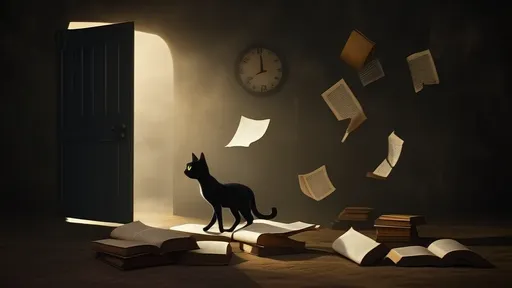
Wang Xiaobo's short story "The Cat" is a deceptively simple narrative that lingers in the mind like an unresolved chord. At its surface, it recounts the disturbing act of a man mutilating cats in Mao-era China, but beneath this unsettling premise lies a profound meditation on free will under oppressive systems. The story forces readers to confront uncomfortable questions about agency, complicity, and what it means to exercise freedom when all choices appear tainted.
Food

Reviving Non-stick Pans: Baking Soda and Vinegar to Remove Burnt Layers

By / Aug 11, 2025

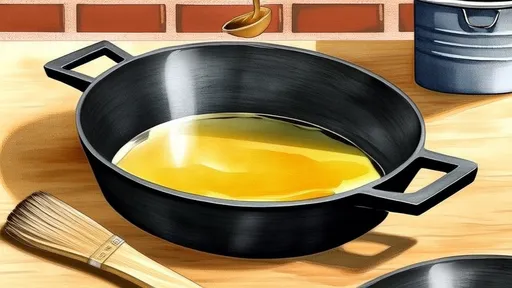
In the world of kitchenware, few things are as frustrating as a once-beloved nonstick pan that has lost its luster. Over time, burnt-on food, stubborn stains, and a general wear and tear can make even the best nonstick surfaces seem beyond repair. But before you toss that pan into the trash, there’s a surprisingly simple and natural solution that might just bring it back to life: a combination of baking soda and white vinegar.
Food

Chaoshan Clay Pot Porridge: Fresh Rice vs. Overnight Rice Comparison

By / Aug 11, 2025

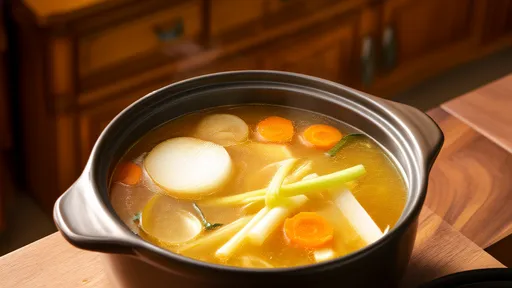
The debate between using freshly cooked rice versus overnight rice in Teochew claypot porridge has long been a topic of discussion among culinary enthusiasts and traditional chefs. This humble yet iconic dish, originating from the Chaoshan region of Guangdong, is beloved for its comforting texture and rich flavors. The choice of rice plays a pivotal role in determining not just the taste, but also the cultural authenticity of the final product.
Animal

The Extinction Warning of the Steller's Sea Cow in the Bering Sea Over 27 Years

By / Aug 12, 2025

The story of the Steller's sea cow is one of the most tragic tales in the history of human-driven extinction. Discovered in 1741 by the naturalist Georg Wilhelm Steller during Vitus Bering's ill-fated expedition, this massive marine mammal inhabited the cold waters of the Bering Sea. Within just 27 years of its discovery by Europeans, the species was hunted to extinction—a stark reminder of humanity's capacity to irreversibly alter ecosystems.
Food

The Golden Ratio of Water Content in Shandong Pancake Batter

By / Aug 11, 2025

The art of making Shandong-style pancakes, known locally as "jianbing," hinges on a delicate balance of ingredients and technique. At the heart of this culinary tradition lies a seemingly simple yet crucial element: the hydration ratio of the batter. For generations, cooks in Shandong Province have guarded their recipes closely, passing down the secrets of the perfect batter from one generation to the next. The golden ratio of water to flour isn't just a matter of preference—it's the foundation upon which texture, flexibility, and flavor are built.
Food

Night Market Half-Price Fruit Map After Closing at 10:30 PM

By / Aug 11, 2025

The night market pulses with life as the clock ticks toward 10:30 PM. What was once a cacophony of sizzling woks and haggling voices begins to soften, replaced by the quiet hum of vendors packing up their stalls. But for those in the know, this is the golden hour—the time when fruit sellers slash prices to avoid hauling unsold inventory home. The savvy shopper who times their arrival right can walk away with ripe mangoes at half price, dragonfruit for a song, and lychees practically given away.
Animal

Doomsday Seed Vault: A Noah's Ark of 1.3 Million Crop Samples

By / Aug 12, 2025

Deep in the frozen Arctic, buried within the side of a remote mountain on the Norwegian island of Spitsbergen, lies a vault designed to safeguard humanity’s agricultural future. Known as the Svalbard Global Seed Vault, this facility has been dubbed the "Doomsday Vault" for its mission to preserve the world’s crop diversity in the face of potential global catastrophes. Housing over 1.3 million seed samples from nearly every country, it stands as a modern-day Noah’s Ark for crops, ensuring that even in the worst-case scenarios, the foundation of our food supply remains intact.
Food

Honey Crystallization Detection: Genuine Honey Crystals Appear as Snowflake Patterns

By / Aug 11, 2025

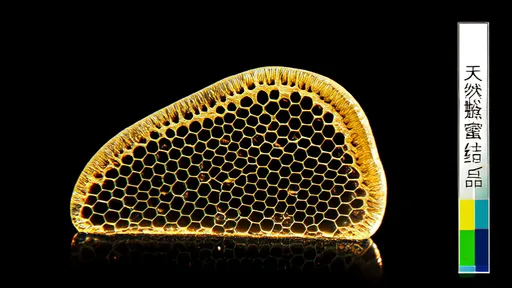
Honey has long been cherished as a natural sweetener with numerous health benefits. However, the market is flooded with adulterated products, making it difficult for consumers to distinguish between pure and fake honey. One of the most reliable methods to test the authenticity of honey is by observing its crystallization pattern. Genuine honey tends to crystallize in a unique, snowflake-like formation, a characteristic that sets it apart from artificial or diluted versions.
Animal

The Lion King" Music: Collection of African Ethnomusicology

By / Aug 12, 2025

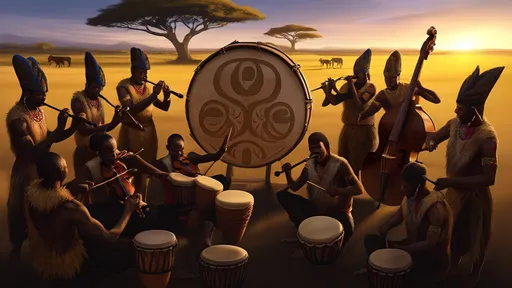
The sweeping savannas, the golden sunsets, the thunderous stampedes - The Lion King has always been more than an animated film. It's an immersive sensory experience that transports audiences to the heart of Africa. While the visual splendor rightfully earns praise, the musical tapestry woven throughout this modern classic deserves equal celebration. Behind those iconic melodies lies an extraordinary effort to capture the authentic sounds of Africa.
Animal

The Badger in 'The Wind in the Willows': A Natural Metaphor for British Class"

By / Aug 12, 2025

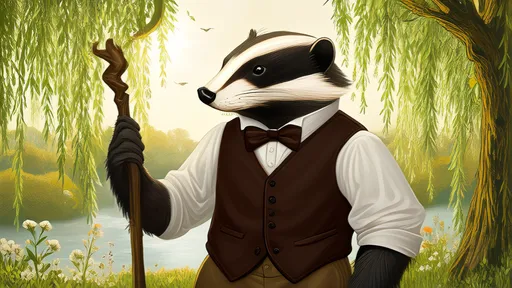
In the quiet corners of English literature, certain characters emerge not merely as figments of imagination but as mirrors to society. Kenneth Grahame’s The Wind in the Willows is one such work, where the animal inhabitants of the riverbank embody deeper truths about human nature and social structures. Among them, Badger stands out as a particularly resonant figure—a stoic, solitary creature whose presence whispers of the unspoken hierarchies and traditions that have long defined British society.
Animal

Thylacine Image Restoration: Dynamic Reconstruction of the Last Individual

By / Aug 12, 2025

The thylacine, commonly known as the Tasmanian tiger, remains one of history's most enigmatic and tragic extinction stories. The last known individual, Benjamin, died in captivity at Hobart Zoo in 1936, leaving behind only grainy black-and-white footage and a handful of photographs. Now, nearly a century later, advances in digital technology have allowed researchers to breathe new life into this lost species through dynamic reconstructions of the final documented thylacines.
Animal

Amphibious Fungal Wars: Global Vaccine Distribution Network

By / Aug 12, 2025

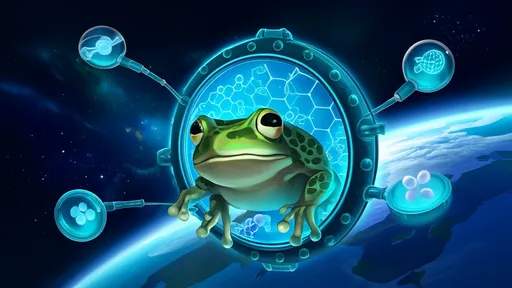
The global scientific community is mobilizing against an invisible enemy threatening amphibian populations worldwide: Batrachochytrium dendrobatidis (Bd), a deadly chytrid fungus responsible for the greatest recorded loss of biodiversity attributable to a single pathogen. As this fungal pandemic continues to decimate frog species across continents, researchers are racing against time to develop and distribute vaccines through an unprecedented international network.
Animal

The Sense of Movement in Prehistoric Art: Lascaux Cave Paintings"

By / Aug 12, 2025

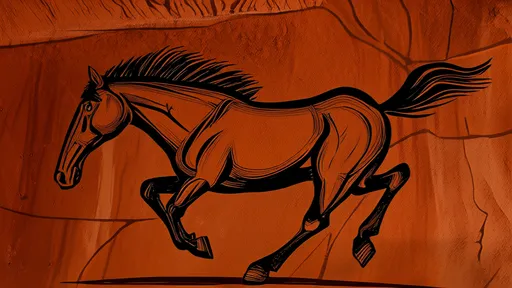
The Lascaux Cave, discovered in 1940 in southwestern France, is one of the most significant prehistoric art sites in the world. Among its many breathtaking depictions of animals, the horses stand out as particularly dynamic and full of life. These ancient paintings, created over 17,000 years ago, capture not just the form of the animals but also their movement, energy, and even their spirit. The artists of Lascaux were not merely recording what they saw; they were conveying a sense of motion, as if the horses were galloping across the cave walls in real time.
Food

Myth of Watermelon in the Refrigerator: Flavor Loss After More Than 4 Hours of Cold Storage

By / Aug 11, 2025

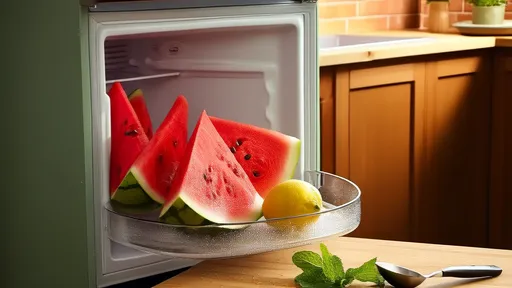
The humble watermelon has long been a staple of summer picnics and backyard barbecues. Its crisp texture and refreshing sweetness make it the perfect antidote to sweltering heat. Yet, for all its popularity, there persists a curious debate among food enthusiasts and home cooks alike: does refrigerating watermelon actually diminish its flavor after four hours?
Animal

Moby Dick": An Ecological Perspective as a Revenge Fable of Industrial Civilization

By / Aug 12, 2025

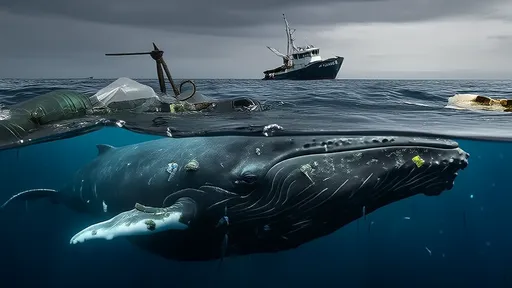
The towering figure of Moby Dick looms large not just in American literature, but as an enduring ecological parable for the industrial age. Melville’s 1851 masterpiece, often misread as a simple adventure tale, pulses with a darker, prophetic undercurrent—one that frames the white whale as both a living force of nature and an avenging symbol of ecological retribution. In an era of unchecked whaling and industrial expansion, Melville’s whale becomes the first great antihero of environmental fiction, a creature whose very existence indicts humanity’s rapacious relationship with the natural world.
Food

Prevent Dripping in Steamer: Lay the damp cloth half-dry

By / Aug 11, 2025

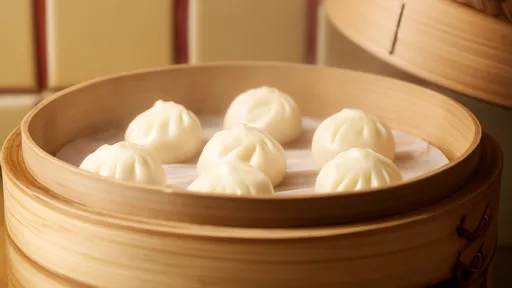
Steaming food is an art that requires precision, and one of the most common challenges home cooks face is preventing excess water from dripping onto their dishes. The simple act of wringing out a steamer cloth until it’s semi-dry before laying it down can make a world of difference. This technique, often overlooked, ensures that your steamed buns, dumplings, or vegetables come out perfectly textured—neither soggy nor dry. The balance lies in the moisture level of the cloth, and mastering this can elevate your steaming game significantly.
Animal

Disney Onomatopoeia: Sound Design for Animal Characters

By / Aug 12, 2025

The art of voice design for animated animal characters at Disney represents one of the most fascinating yet underappreciated aspects of filmmaking. While audiences marvel at the visual splendor of talking lions, singing crabs, and wisecracking rabbits, few consider the immense creative labor behind crafting voices that feel simultaneously animalistic and human. This sonic alchemy doesn't happen by accident—it emerges from a deliberate collision of zoological research, vocal experimentation, and narrative intuition.
Animal

The Tragedy of Ducks: A Reflection on Humane Biology Experiments"

By / Aug 12, 2025

In the quiet corners of early 20th-century Beijing, a Russian biologist named Vasily Eroshin conducted an experiment that would later become the subject of one of Lu Xun’s lesser-known short stories, "The Comedy of Ducks." The tale, often overshadowed by Lu Xun’s more politically charged works, offers a poignant meditation on the ethical boundaries of scientific inquiry. At its core, the story interrogates the moral cost of progress, a theme that resonates deeply in contemporary discussions about animal testing and biological research.
Food

Liuzhou Luosifen: Seven-Day Fermentation of Sour Bamboo Shoots for a Fragrant Curve

By / Aug 11, 2025

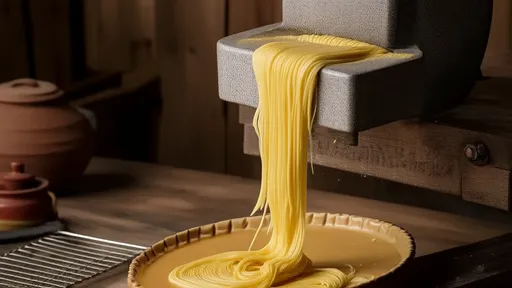
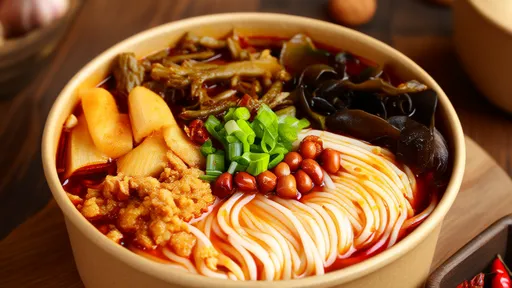
The pungent aroma of Liuzhou river snail rice noodles – a dish that has captivated taste buds across China and beyond – owes much of its signature funk to a humble ingredient: fermented bamboo shoots. Known locally as "suan sun," these lacto-fermented shoots undergo a fascinating seven-day transformation that creates the dish's unmistakable sour backbone. In the backstreets of Liuzhou, Guangxi, generations of artisans have perfected this alchemical process, turning crisp bamboo into soft, golden strands bursting with umami.
Food

Champagne Bottle Opening: Wrap the Bottom with a Towel to Prevent Splashing

By / Aug 11, 2025

The art of opening a bottle of sparkling wine is one that requires both finesse and a touch of practicality. Few things are as celebratory as the pop of a cork, but without proper technique, that moment can quickly turn into a messy disaster. One of the most effective—and often overlooked—methods for preventing an eruption of bubbly is wrapping the base of the bottle in a towel before opening it. This simple trick can mean the difference between a graceful pour and a sticky, champagne-soaked cleanup.
Animal

Whale Imagery in Ukiyo-e: Edo-Era Ocean Reverence"

By / Aug 12, 2025

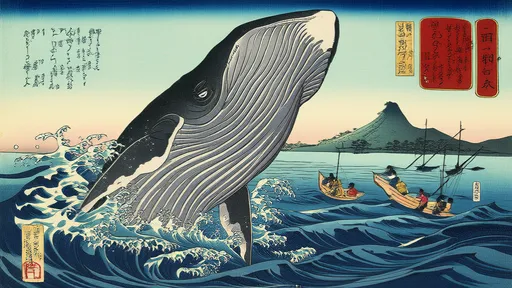
In the bustling streets of Edo-period Japan, where woodblock prints captured the essence of daily life, one motif emerged with surprising frequency: the whale. These colossal creatures of the deep, rendered in vivid blues and whites by ukiyo-e masters, were more than just artistic subjects—they were symbols of a complex relationship between humans and the untamable ocean. The whale prints of the 18th and 19th centuries reveal a cultural fascination that blended awe, fear, and pragmatic understanding of marine ecosystems long before Western whaling ships appeared on the horizon.
Top Updates